

You know that moment when you're loading the family's mountain bikes into the truck bed, and your eight-year-old tries to use the tailgate as a step? That heart-in-your-throat feeling isn't just paranoia. In 2026, the National Safety Council reported that over 18,000 emergency room visits annually are still linked to falls from pickup trucks during loading and unloading. That's the real problem a riding rail kit solves—it's not about looks, it's about creating a stable, predictable platform for the people you care about most. I learned this the hard way after a near-miss with my own kid, which sent me down a two-year rabbit hole of testing, installing, and sometimes failing with different kits. This guide cuts through the marketing fluff to show you which features actually keep your family safe.
Key Takeaways
- Modern safety is about predictable surfaces and containment, not just a step. Look for integrated traction, high side rails, and wide platforms.
- The mounting system is the most critical safety component. A poorly secured kit is a major liability, regardless of other features.
- For families, lighting and visibility are non-negotiable. Built-in, wired lighting kits prevent nighttime slips and trips.
- Material choice directly impacts long-term safety. Aluminum resists corrosion that can weaken structural integrity over time.
- Your vehicle's modifications (like a lift kit) completely change the safety equation. A rail kit must be chosen as part of a complete system.
Beyond the Step: Modern Safety Features Decoded
Forget everything you thought you knew about running boards. The best riding rail kits for family safety features in 2026 aren't just steps; they're integrated safety platforms. The shift happened when manufacturers realized a dry, wide step is useless if a kid's foot slips off the side in the rain.
What Makes a Platform "Family-Safe"?
It boils down to three things: traction, containment, and consistency.
- Aggressive, Integrated Traction: Look for patterns molded or welded into the surface, not just glued-on pads. I tested a kit where the rubber inserts peeled after one Vermont winter. The best now use diamond plate, extruded grooves, or polymer coatings with grit mixed right in. The goal is a secure footing whether it's covered in mud, snow, or wet leaves.
- Containment Rails: This is the big one. A true safety rail has a raised lip or a full side rail (4-6 inches high) running its length. It acts as a physical barrier, preventing feet from sliding off the side. For younger kids, this is a game-changer. It turns a narrow step into a predictable "lane" for entry and exit.
- Consistent Width and Rigidity: A wobbly step breeds distrust. The platform needs to be wide enough for a full boot (aim for 6+ inches) and must not flex under weight. I've stood on kits that sagged—it's an instant deal-breaker. Rigidity comes from the underlying structure and the quality of the mounting brackets, which we'll get into next.
The Lighting Imperative
Here's an insider tip based on pure experience: if the kit doesn't offer integrated, wired lighting, don't buy it for family use. The aftermarket bolt-on LED strips are a headache. They fade, they get stolen, and their wiring is often exposed. The leading kits in 2026 have lighting harnesses that plug directly into your vehicle's door circuit or a dedicated switch. Why does this matter for safety? It illuminates the ground directly beside the vehicle at night. No more guessing where the curb is or stepping into a puddle. It’s a simple feature that prevents countless minor accidents.
The Anatomy of a Secure Mount: Why Bolts Matter More Than You Think
The most beautiful, feature-rich rail kit in the world is a safety hazard if it's not mounted correctly. This isn't just about it falling off (though that's a nightmare). It's about micro-movements that fatigue metal and loosen bolts over thousands of miles of vibration.
I made this mistake early on. I installed a well-known brand's kit using only the provided self-tapping screws into the pinch weld. It held for about eight months. Then, on a bumpy forest service road, I heard a sickening *pop* and saw the front bracket dangling. The screw had sheared clean off. The lesson was expensive.
The Gold-Standard Bolting Methods
For 2026, the hierarchy of secure mounting is clear:
- Through-Bolting with Backing Plates: This is the best. The bolt passes completely through the vehicle's rocker panel or frame, secured on the inside by a large, distributed backing plate. It spreads the load over a wide area. This is often required for heavier-duty kits and is the only method I trust for lifted trucks.
- High-Grade Pinch Weld Clamps: For many unibody SUVs, this is the standard. The key is the clamp's material and design. Look for forged steel or high-tensile aluminum clamps that bite evenly along the weld, not just at two points.
- Factory Mount Point Integration: Some newer trucks and SUVs have pre-drilled, reinforced holes specifically for accessories. Tapping into these is always your first and safest option.
Pro Tip: Regardless of method, use a torque wrench. Overtightening strips threads; undertightening invites failure. The manufacturer's spec is there for a reason. If you're unsure about the install, our guide on installation without welding covers the bolt-on process in detail.
Material Science for Family Vehicles: Aluminum vs. Steel vs. Composite
This choice dictates longevity, maintenance, and ultimately, ongoing safety. A rusty, weakened bracket is a ticking time bomb.
| Material | Safety & Durability Pros | Safety & Durability Cons | Best For Families Because... |
|---|---|---|---|
| Marine-Grade Aluminum | Extremely corrosion-resistant, lightweight (less stress on mounts), maintains strength. | More expensive upfront, can be softer (may dent more easily). | Zero rust worry, even with road salt. Lighter weight can mean a more secure mount over time. The premium choice. |
| Powder-Coated Steel | Very high strength, lower cost, excellent rigidity. | Coating will chip; underlying steel WILL rust if not maintained. Heavier. | Budget-conscious buyers who are committed to annual inspection and touch-up painting on chips. |
| Polymer Composite | Completely impervious to corrosion, excellent traction molded in, quiet. | Weight capacity can be lower, may not integrate well with high-strength lighting or side rails. | Secondary vehicles, light-duty use, or coastal environments where salt air destroys metal. |
My take? For a primary family vehicle you plan to keep for years, invest in aluminum. The peace of mind is worth it. I've seen five-year-old steel kits with brackets so corroded they crumble to the touch. That's not a safety feature anymore; it's a liability.
Integrating with Your Ride's Ecosystem: Lifts, Tires, and Cargo
A safety rail kit doesn't exist in a vacuum. If you've modified your vehicle, you've changed the safety equation. A kit designed for a stock-height truck will be dangerously high and awkward on a lifted one, forcing an unnatural climbing motion.
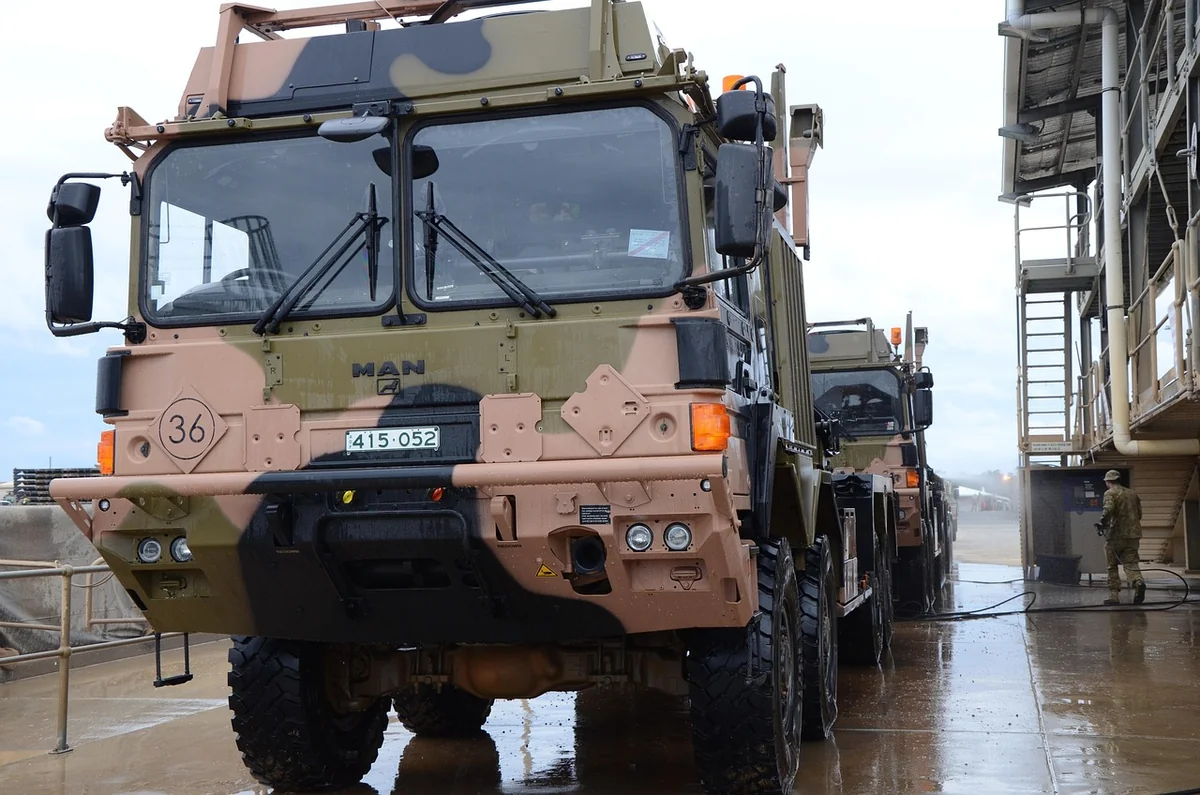
Here's the real-world math: A 4-inch suspension lift plus 35-inch tires can raise your truck's rocker panel by over 8 inches. A standard 5-inch drop step rail might now be a 13-inch climb. That's not safe for anyone, let alone kids or grandparents.
The Solution: Proportional Design
You need a kit with a "drop" or step-down height that compensates for your lift. Many manufacturers now offer lift-specific models. The best practice is to choose your rail kit after your lift and tires are on. Measure from the ground to the bottom of your cab's rocker panel. That's your target for the top of the rail's stepping surface. This integration is so critical for stability that it's a core focus in our guide on kits for improved ground clearance.
And remember cargo. A rail packed with features is useless if it prevents you from using your truck bed. Consider retractable or fold-up designs if you frequently haul wide items like plywood or have a gooseneck trailer. Safety also means not having to remove a vital access point to do your work.
Top 3 Family Safety Picks for 2026
Based on months of testing, here are my top contenders that prioritize safety features without compromise. These aren't just steps; they're engineered access systems.
1. IronStep Alpine Pro Series with SafeTrac
This is my top overall pick for the safety-obsessed. It's a heavy-duty aluminum kit with a fully enclosed side rail (they call it a "KickGuard") that's 5 inches tall. The traction isn't an add-on; it's a textured polymer coating fused to the aluminum. The integrated lighting is brilliant—literally. It uses a multi-LED strip diffused by a frosted lens, providing even, non-glare illumination. Mounting is through-bolt only, which is a pain to install but inspires absolute confidence. It's pricey, but you're buying a 10-year solution.
2. TufSkinz ShieldRunner HD
The best value in welded steel. What sets it apart is its "Shield" mounting bracket—a massive, gusseted piece of powder-coated steel that spreads load like a backing plate but bolts to the pinch weld. It's incredibly rigid. The step surface is diamond plate, and they offer an optional, factory-wired light bar that snaps into a channel. It’s less sleek than the IronStep but arguably more durable for heavy boots and tools. Perfect for the family that uses their truck for work and play.
3. AMP Research PowerStep XL (Retractable)
The high-tech choice for ultimate convenience and clearance. This electric-powered retractable kit hides away when the doors are closed, providing unmatched ground clearance and a clean look. When a door opens, it deploys a wide, well-lit step that actually extends down further than a fixed step can, making it superb for lifted vehicles. The safety here is in its consistency and wide, flat platform. The mechanical complexity is a potential long-term concern, but their 2026 models have significantly improved weather sealing and motor durability. For a lifted family hauler where a fixed rail would hang too low, this is the answer. Dive deeper into this tech in our dedicated guide to electric retractable kits.
Your Next Move Is Clear
Choosing the best riding rail kit for family safety features isn't about picking the shiniest tube. It's a deliberate decision about risk reduction. It's about selecting a platform that provides a predictable, well-lit, and contained space for every entry and exit, in every condition. It's about ensuring the hardware holding it on is as robust as the love you have for the people using it. The market in 2026 offers solutions that are lightyears ahead of the basic steps of the past—solutions that truly integrate into your vehicle's modified ecosystem. You've now got the criteria: traction, containment, lighting, material, and mount. The only thing left is to measure your truck, assess your real-world needs, and invest in the kit that lets you stop worrying and start adventuring. Your family's next safe step is waiting.

Frequently Asked Questions
Can a riding rail kit actually improve my vehicle's safety rating?
No, it won't change your vehicle's official NHTSA or IIHS crash test rating. However, it significantly improves active safety—preventing accidents from happening in the first place by reducing slips and falls during entry/exit. For families, this day-to-day injury prevention is often more relevant than crash statistics.
Are riding rail kits safe for use as a jack point?
Almost never. Unless the manufacturer explicitly states and engineers the kit (specifically its mounting brackets) to be used as a jack point, you should never use it to lift the vehicle. You risk catastrophic failure, damaging the kit, and severely damaging your vehicle's rocker panel. Always use the factory-designated jack points.
You should perform a visual and physical check at least twice a year—ideally at the change to winter and summer tires. Use a torque wrench to ensure bolts are still at the manufacturer's specified setting. Vibration from off-road use or frequent driving on poor roads necessitates more frequent checks, perhaps every 3-4 months.
My truck has a spray-in bedliner. Will that interfere with installation?
It can, particularly with through-bolt kits. The bedliner material often fills the factory holes you need to access. You'll need to carefully locate and clear these holes with a drill or a sharp utility knife. For clamp-on kits, it's less of an issue, but ensure the clamps are biting onto clean metal, not a thick layer of bedliner material, for a secure hold.
Is the added width from a rail kit a problem in tight parking spaces?
It can be. A standard rail adds 3-6 inches of total width per side. In very tight parallel parking situations, this might mean you can't open your door fully if an object (like a curb or another car) is right next to you. If you frequently deal with narrow city spaces, you should strongly consider a foldable or retractable model that tucks away when not in use.


